Signs of foundation problems, and which ones matter
The most common signs of foundation problems are doors and windows that start to stick or stop latching, cracks in drywall, brick or the slab that keep getting wider, floors that slope, and gaps that open around window frames, trim and the garage door. Outside, look for stair step cracks in brick, a porch or chimney pulling away from the house, and water that stands next to the walls after rain. One small sign on its own is often normal settling or seasonal movement. Several signs on the same side of the house, or one that keeps getting worse, are worth an inspection.
Updated November 8, 2026
Signs inside the house
Doors are often the first thing owners notice. A door that rubs at the top corner, swings open or shut on its own, or no longer lines up with the strike plate can mean the frame around it has shifted. The same goes for windows that bind and cabinet doors that hang crooked.
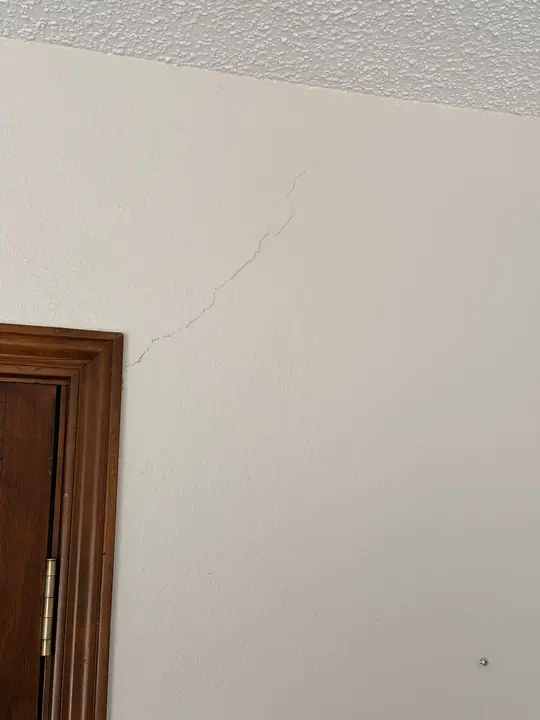
Walls and floors show the rest. Look for drywall cracks that run at an angle from the corners of doors and windows, cracks where the wall meets the ceiling, and nail pops in a line. Tile that cracks across several pieces, a floor you can feel slope as you walk, and counters or cabinets pulling away from the wall all point the same way. In a pier and beam house, floors that bounce, sag or squeak more than they used to often trace back to the piers and beams below.
Signs outside the house
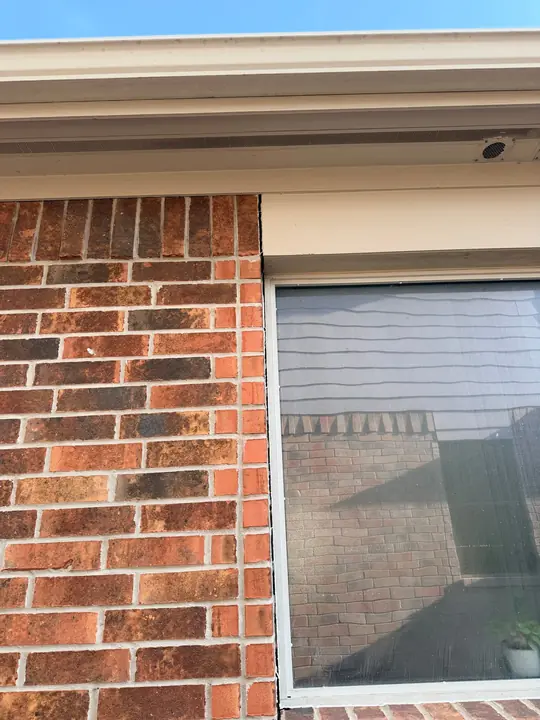
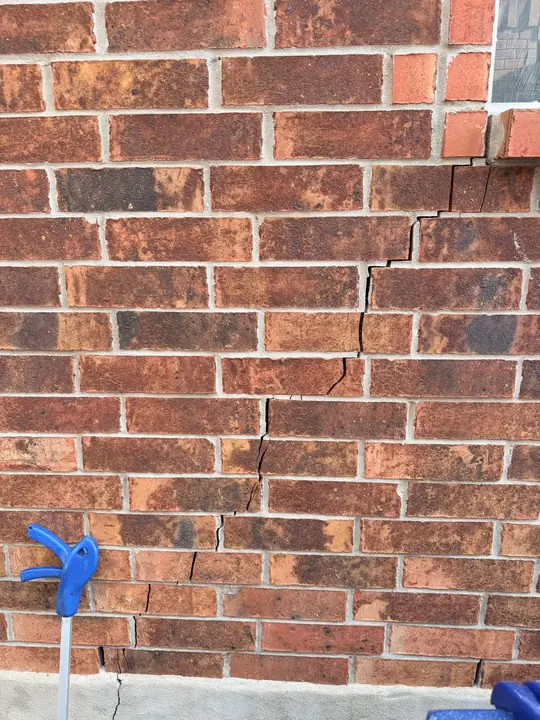
Brick shows movement well because mortar cracks along its weakest path. A stair step crack that follows the mortar joints, a crack that is wider at the top than the bottom, and a gap between the brick and a window frame are the classic signs. Trim that has pulled away from the brick and a garage door that no longer meets the slab evenly belong on the same list.
Look at the ground too. A porch, steps or a chimney that has tilted or separated from the house, a slab edge that shows more of itself on one side than it used to, and soil that has pulled back from the foundation in dry weather all say something about the soil. Water that stands against the walls a day after rain is one of the most common causes of these problems, so it belongs on the list even before anything cracks.
Which cracks are normal and which ones matter
Most concrete slabs have thin hairline cracks. Concrete shrinks as it cures, and those cracks usually stay thin and even for years. Small cracks in drywall over a door that open in summer and close in winter are also common on clay, because the house moves a little with the seasons.
Cracks deserve a closer look when they are wider than about a quarter inch, when one side of the crack sits higher than the other, when they are wider at one end, or when they keep growing. Several new cracks on the same side of the house within a few months matter more than one old crack that never changes. Our guide to foundation cracks goes through each type.
What causes foundation problems on clay soil
Across much of Texas, houses sit on expansive clay that swells when it takes on water and shrinks as it dries. A foundation can ride out slow changes that happen evenly on every side. Damage comes from the difference between sides, such as one corner soaked by a downspout or a leak while the far side dries out under a large tree or the afternoon sun.
That is why the usual causes are about water. Poor drainage, a plumbing leak under the slab, an AC drain line that empties next to the house, tree roots drawing water from one side and a long dry spell with no watering all change the soil under part of the house. Our guides on foundation drainage and slab leaks cover two of the most common ones.
How to keep track of a sign before you call
A few simple records make an inspection more useful. Mark both ends of a crack with a pencil line and the date, then take a photo with a ruler or coin next to it. Note which doors stick and in which month. Check again every few weeks. A crack that grows past your marks is moving, and one that opens in summer and closes in winter is following the seasons.
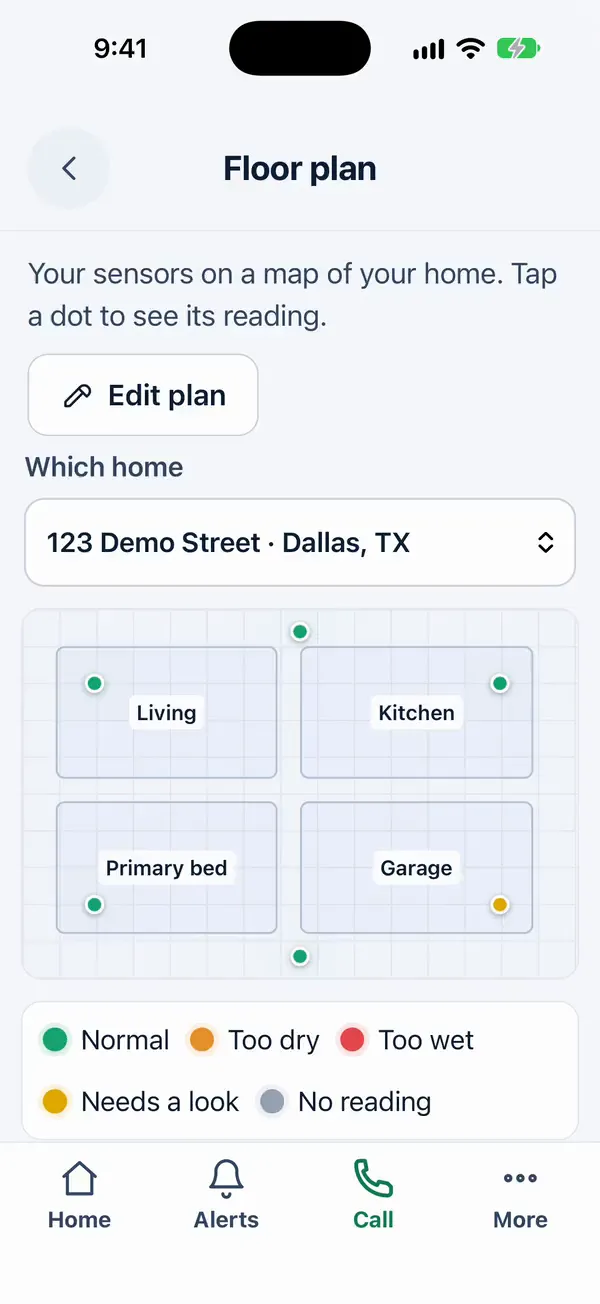
The soil around the house is the other half of the record. MoisturePilot reads soil moisture probes on every side of the house and flags a gap of 18 points or more between sides, the kind of uneven moisture that moves a house on clay. It also flags a spot that gets wetter with no rain, which can point to a leak. The floor plan in the app shows the last 14 days for each probe, so look at it on the same day you check your crack marks.
Who to call about foundation problems
A structural engineer gives an independent evaluation and a written report, and does not sell the repair. A foundation repair company inspects the house, measures how level the floors are and offers repair options, often with a free inspection. Many owners start with the engineer when the signs are new or the stakes are high, such as before buying a house. Our guide to what a foundation inspection includes walks through the visit.
If the signs point to water, fix that first. A plumber can test the lines for a slab leak, and a drainage contractor can correct the grading and downspouts. Our pages for structural engineers and foundation repair companies show how they use soil readings alongside their own measurements.
Questions people ask
What are the first signs of foundation problems?
Usually doors or windows that start to stick or stop latching, and new drywall cracks that run at an angle from the corners of doors and windows. Outside, stair step cracks in brick and gaps around window frames often come next.
Are cracks a sign of foundation problems?
Thin hairline cracks in a concrete slab are common and usually come from the concrete shrinking as it cured. Cracks wider than about a quarter inch, cracks where one side sits higher than the other and cracks that keep growing are worth having looked at.
Can foundation problems fix themselves?
On clay some movement reverses with the seasons, so a door that sticks in August may close fine in spring. The cause stays, though. A leak or a drainage problem usually keeps making things worse until the water is fixed.
Who should I call about foundation problems?
A structural engineer for an independent evaluation, or a foundation repair company for an inspection and repair options. If you also see signs of a leak, such as a water meter that moves with everything off, have a plumber test the lines too.
More guides
Plain answers about the soil around a house. See all guides.
Foundation settling
Small, even settling in the first years is expected. Movement on one side that keeps growing needs a look.
Slab leak signs
A meter that moves with every tap closed, a warm spot on the floor, and soil that stays wet with no rain can all come first.
Foundation drainage
Gutters, downspouts and a yard that slopes away do most of the work. Drains come after that.
Register your property
Sensors are $60 each, paid once, a regular home needs 6 or more, and monitoring is $20 a month.